
How Often Should You Trim Your Hedges in Auckland?

October 14, 2026

Share this article

It's one of the most common questions homeowners ask us: "How often does this actually need trimming?" The honest answer is that it depends on the hedge species, its position, and how tidy you want it to look — but there are some solid general guidelines that apply across most North Shore gardens, from the tighter urban sections of Takapuna and Milford to the larger boundary hedges common in Stanley Bay and Stanley Point.

It Depends on the Species


Griselinia

One of the most popular hedging plants on the North Shore, griselinia grows quickly through spring and summer. It typically needs trimming two to three times a year — a shape-up in spring, a maintenance trim in mid-summer, and often a final tidy before autumn to keep it dense through winter.


Photinia

Grown for its striking red new growth, photinia is fast-growing and benefits from more frequent, lighter trims — every six to eight weeks during the growing season — to keep encouraging that colourful new flush rather than letting it grow leggy.


Buxus (Box Hedging)

Slower-growing and often used for formal, low border hedges. Two trims a year — spring and late summer — is usually enough to keep buxus neat, though highly formal designs may need more frequent light trims to maintain crisp lines.


Pittosporum

A common choice for taller privacy hedging. Generally needs two trims per year, spring and late summer, though exposed coastal positions can slow growth and reduce this to once a year in some cases.


Factors That Change the Frequency

  • Sun exposure — hedges in full sun typically grow faster and need more frequent trims than shaded hedges
  • Soil and fertiliser — well-fed hedges grow faster and need more attention to keep shape
  • Desired formality — a crisp, formal hedge line needs more frequent trims than a relaxed, informal screen
  • Rainfall — a wet spring accelerates growth across almost every hedge species


Signs Your Hedge Is Overdue

  • New growth has gone well beyond the established hedge line
  • The hedge is thinning out at the base while staying dense on top (a sign of light being blocked from lower growth)
  • Individual branches are visibly poking out past the main hedge shape
  • It's been more than four months since the last trim during the growing season


What Happens If You Leave It Too Long?

Beyond looking untidy, an overgrown hedge takes considerably more work to bring back under control. Old, woody growth doesn't always reshoot well when cut back hard, particularly on species like buxus and pittosporum — meaning a hedge left too long can end up with bare or patchy sections that take a full season or more to fill back in. Regular, moderate trims keep hedges denser and healthier over the long term than infrequent, heavy cutbacks.


Best Time of Year to Trim

Spring (September–October) and again in mid-to-late summer (January–February) are the two key trims for most North Shore hedges. Avoid heavy trimming in the depths of winter when growth has slowed, and avoid cutting native hedging during bird nesting season where practical.

Let us keep your hedges in shape year-round

We provide ongoing hedge trimming across Milford, Takapuna, Stanley Bay, Stanley Point and the wider North Shore, tailored to your hedge species and how tidy you want it kept. See our garden maintenance services, or send an enquiry to set up a regular trim schedule.

Recent Posts

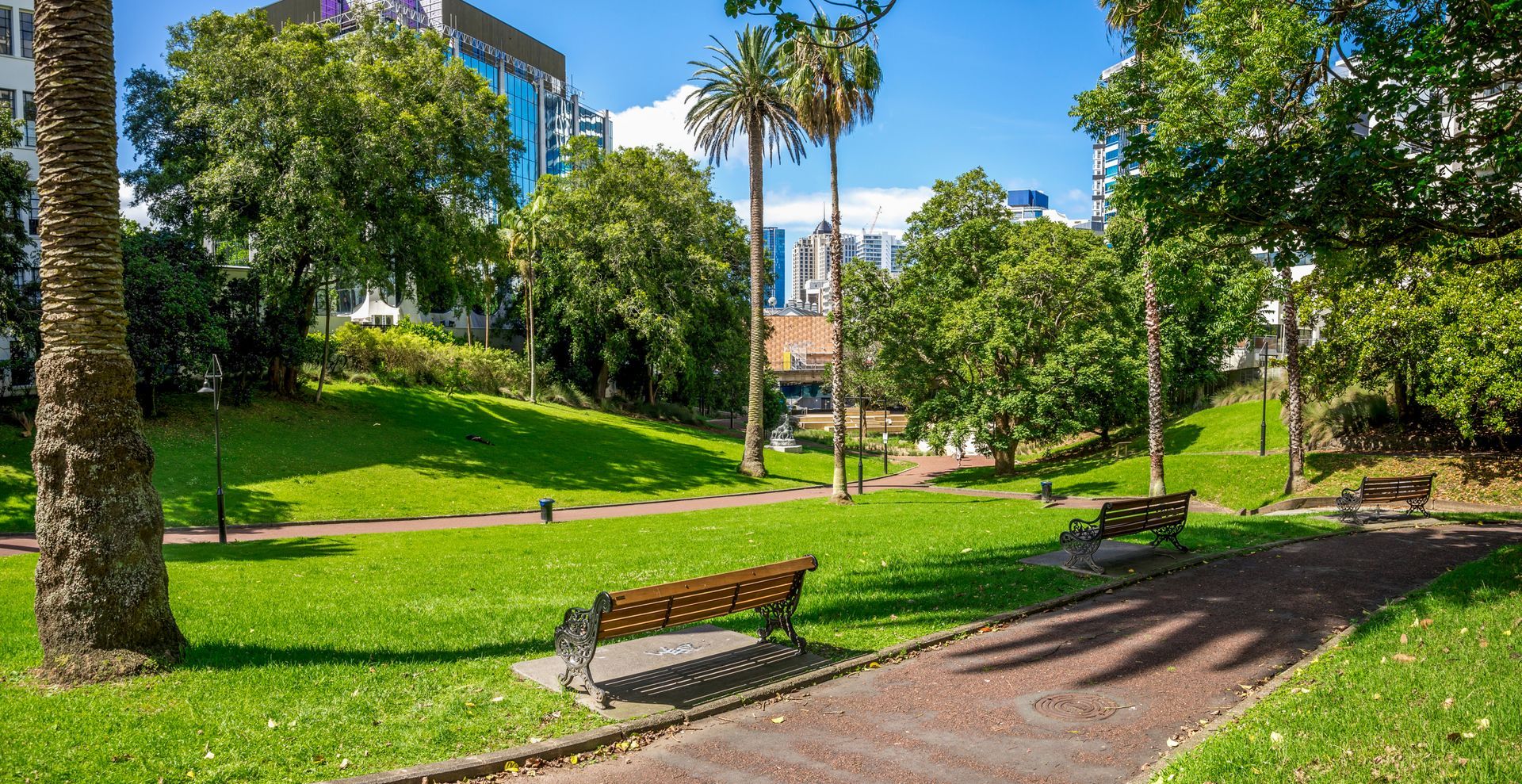
Sunny park with green lawn, trees, benches, and a paved path beside buildings and palm trees.
September 29, 2026
If you've just moved into a new build in one of the North Shore's growing subdivisions — Albany, Rosedale, Schnapper Rock, Pinehill, or Unsworth Heights — chances are your section still looks like a construction site. Bare clay, compacted soil, and maybe a token strip of turf near the driveway. It's a common starting point, and with the right sequence of work, it's very fixable.

Stone path through a lush coastal garden with wildflowers, trees, and ocean under a blue sky
September 29, 2026
If your section sits anywhere near the water in suburbs like Campbells Bay, Castor Bay, Mairangi Bay, or Murrays Bay, you'll already know that not every plant survives the conditions. Salt-laden wind, exposed positions, and free-draining sandy soils can be tough on plants that would otherwise thrive elsewhere in Auckland. The good news is there's a wide range of plants that not only survive these conditions but genuinely thrive in them.
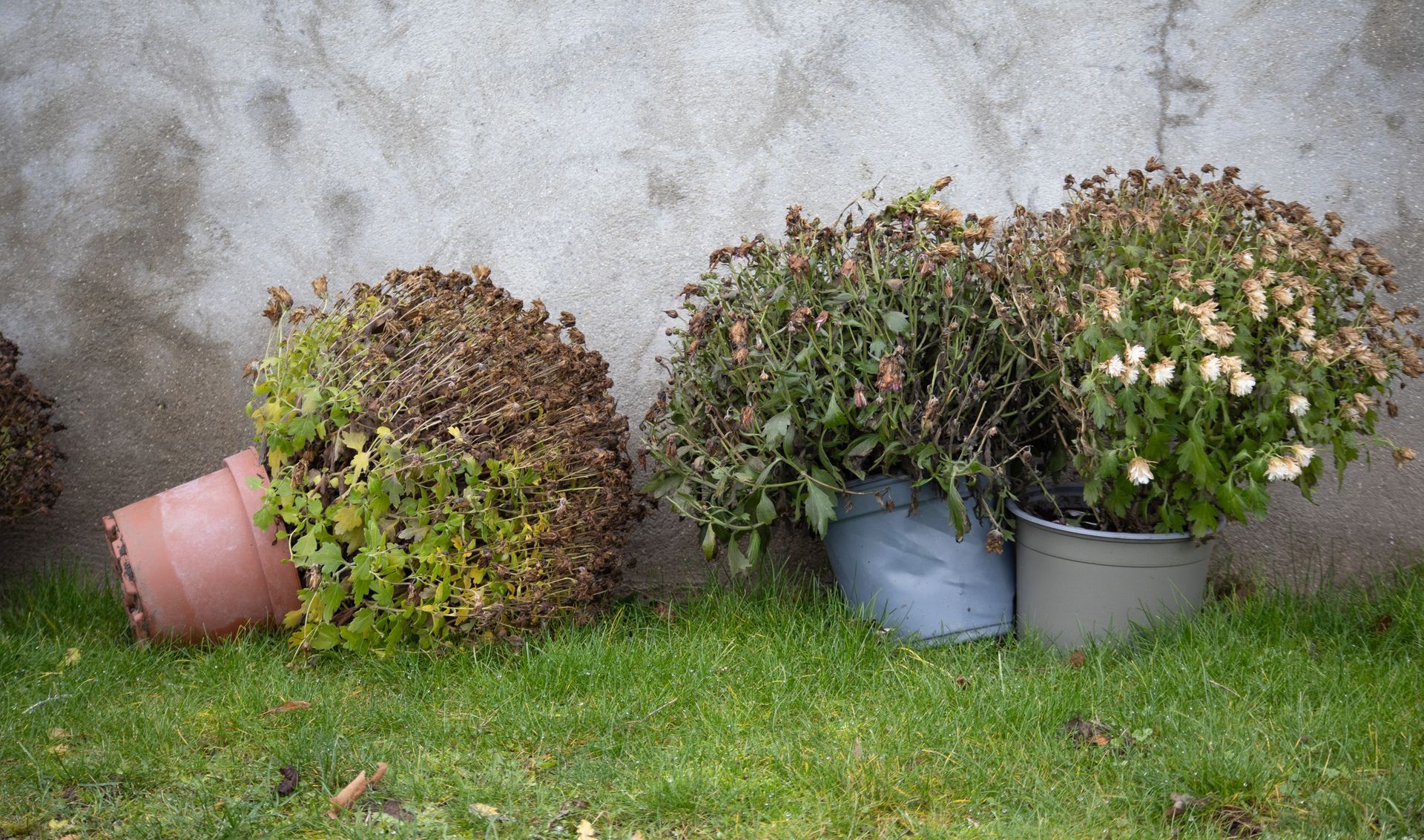
Overturned potted plants with trailing flowers and greenery resting on grass against a wall
September 13, 2026
After a wet Auckland winter, most North Shore gardens come into spring looking tired: soggy lawns, leggy hedges, and garden beds full of winter weeds that got a head start while everyone stayed indoors. The good news is that spring is also the single best window to reset your section for the year ahead. Get the basics right in September and October, and your garden will carry that momentum right through summer. Whether you're in an established villa garden in Belmont or Devonport, or a newer section in Birkenhead or Northcote, the same core jobs apply. Here's what to work through, in order.
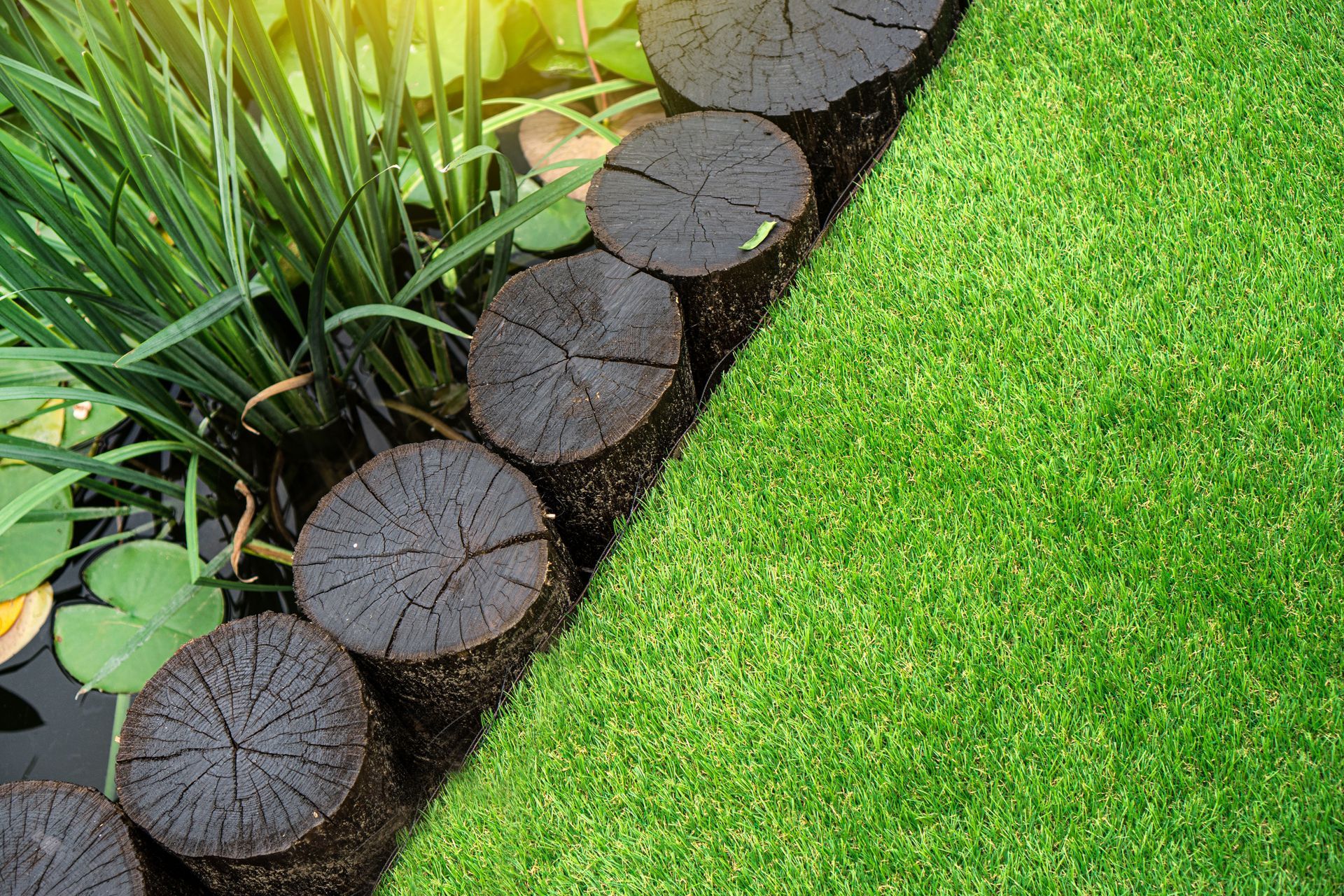
Round wooden log edging beside green lawn and garden plants
September 11, 2026
It's one of the most common questions we get asked on-site: should you go with artificial turf, or a fresh ready lawn? There's no single right answer — it depends on your section's sun exposure, how the space gets used, and how much time you want to spend maintaining it. Here's how we help North Shore homeowners work through the decision.