Why Coastal Conditions Matter for Plant Selection
Salt spray can scorch foliage, dry winds increase water loss, and sandy coastal soils drain quickly — meaning less water and fewer nutrients stay available to plant roots. Choosing the wrong plant for these conditions usually means constant replacement and ongoing frustration. Choosing the right one means a garden that looks after itself once established.
Reliable Coastal Hedging and Screening
- Griselinia littoralis — a North Shore favourite, naturally salt and wind-tolerant, forms a dense, glossy hedge
- Pittosporum crassifolium (karo) — a native, extremely tough in exposed coastal positions
- Coprosma repens — handles salt spray well and comes in a range of glossy foliage colours
- Metrosideros excelsa (pōhutukawa) — the classic New Zealand coastal tree, iconic on North Shore headlands for good reason
Ground Cover and Border Planting
- Coastal flax (Phormium cookianum) — hardy, low-maintenance, and adds structure and colour
- Muehlenbeckia astonii — a wiry native shrub that handles wind exceptionally well
- Convolvulus cneorum — silver foliage and white flowers, very drought and salt tolerant
- Lomandra varieties — grass-like, low maintenance, and thrives in free-draining soil
Plants to Think Twice About Near the Coast
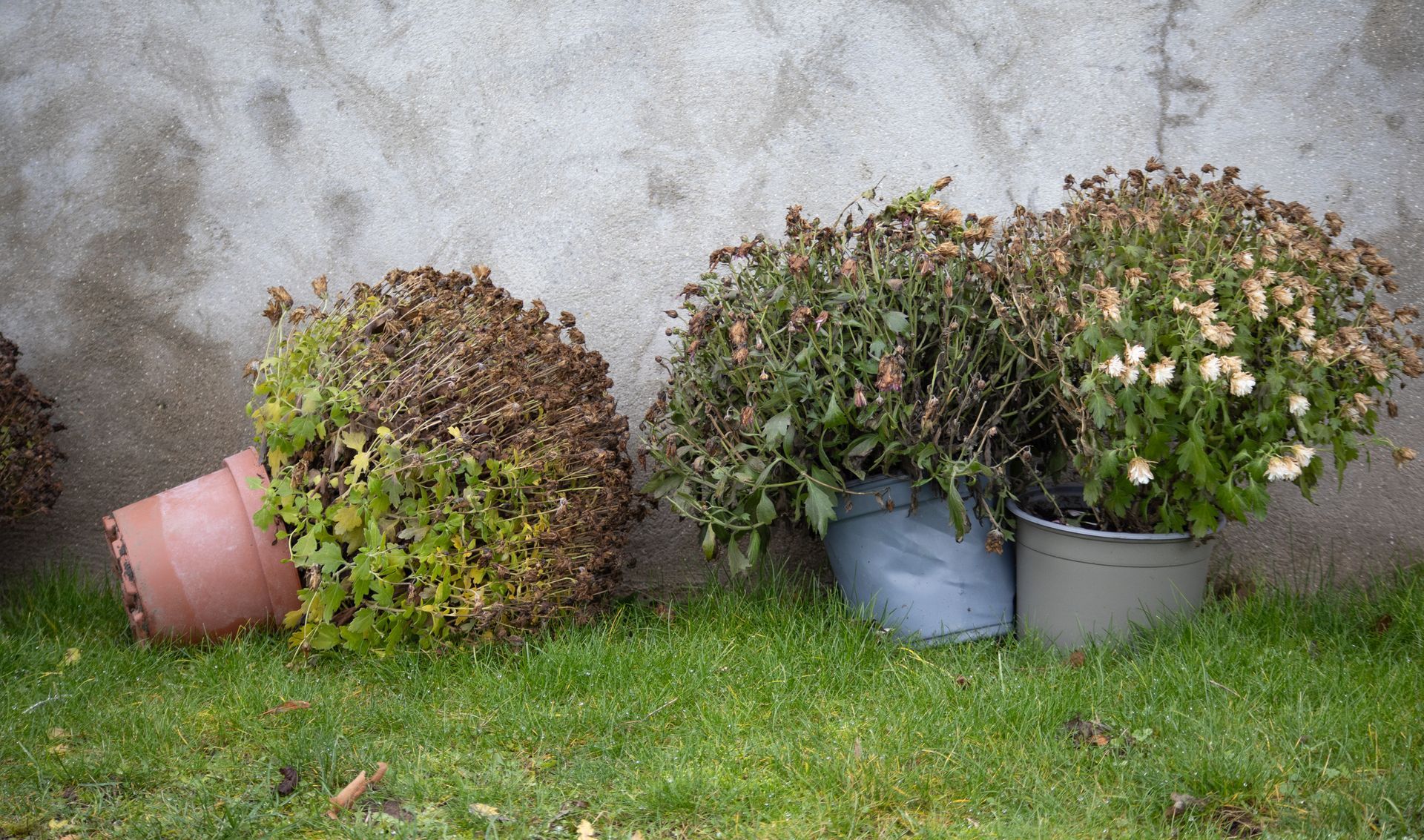
Many popular ornamental plants that do well in more sheltered Auckland suburbs simply won't cope on an exposed North Shore coastal section. Thin-leafed, soft-growth plants are usually the first to show salt scorch and wind damage. If a plant isn't described as coastal or wind-tolerant by the grower, it's worth checking before committing a garden bed to it.
Preparing the Ground Before You Plant
Coastal soils are often sandy and low in organic matter. Before planting, working in compost and a slow-release fertiliser gives new plants a much better start, helping roots establish before the soil dries out again. A layer of bark mulch after planting further helps retain moisture and suppress weeds while plants settle in — particularly important through their first summer.
Positioning for Wind Protection
Even wind-tolerant plants establish faster with some initial shelter. If you're planting a new bed on an exposed section, consider staggering planting so hardier specimens go in first on the windward side, creating a buffer that lets slightly less hardy plants establish behind them over time.
When to Plant
Spring, from September through November, is the ideal window for coastal planting on the North Shore. It gives new plants a full growing season to establish root systems before facing the heat and dry conditions of summer — which is when an under-established plant is most likely to fail.